
رازبيري باي بيكو side image
رازبيري باي بيكو side image
رازبيري باي بيكو side image
رازبيري باي بيكو side image
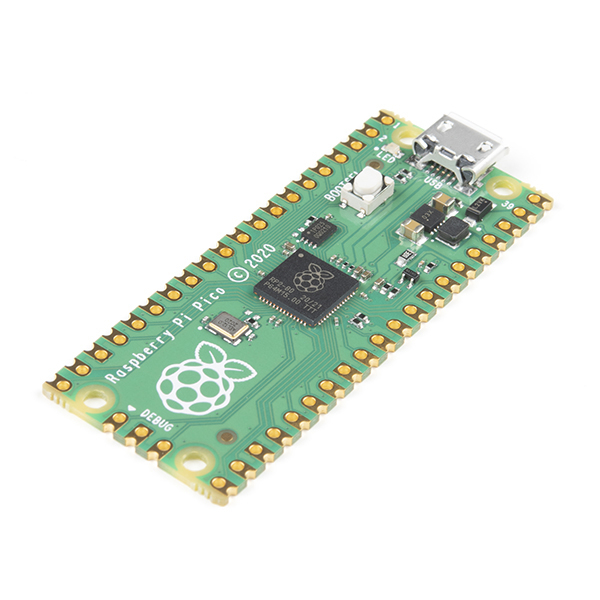
رازبيري باي بيكو
IQD 9,000

الوصف
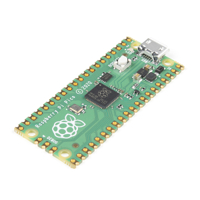
RP2040 microcontroller chip designed by Raspberry Pi in the United Kingdom
Dual-core ARM Cortex M0+ processor, flexible clock running up to 133 MHz
264kB of SRAM, and 2MB of on-board Flash memory
Castellated module allows soldering direct to carrier boards
USB 1.1 Host and Device support
Low-power sleep and dormant modes
Drag & drop programming using mass storage over USB
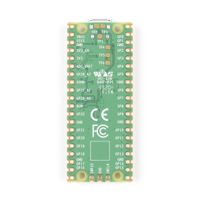
26 multi-function GPIO pins
2× SPI, 2× I2C, 2× UART, 3× 12-bit ADC, 16× controllable PWM channels
Accurate clock and timer on-chip
Temperature sensor
Accelerated floating point libraries on-chip
8 × Programmable IO (PIO) state machines for custom peripheral support
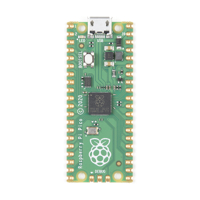
The Raspberry Pi Pico is a low-cost, high-performance microcontroller board with flexible digital interfaces. It feature the RP2040 which marks Raspberry Pi's first microcontroller designed in-house. Pico provides minimal (yet flexible) external circuitry to support the RP2040 chip (Flash, crystal, power supplies and decoupling and USB connector). The majority of the RP2040 microcontroller pins are brought to the user IO pins on the left and right edge of the board. Four RP2040 IO are used for internal functions - driving an LED, on-board Switched Mode Power Supply (SMPS) power control and sensing the system voltages.
Pico uses an on-board buck-boost SMPS which is able to generate the required 3.3 volts (to power RP2040 and externalcircuitry) from a wide range of input voltages (~1.8 to 5.5V). This allows significant flexibility in powering the unit from various sources such as a single Lithium-Ion cell, or 3 AA cells in series. Battery chargers can also be very easily integrated with the Pico powerchain. Reprogramming the Pico's flash memory can be done using USB (simply drag and drop a file onto the Pico which appears as a mass storage device) or via the Serial Wire Debug (SWD) port. The SWD port can also be used to interactively debug coderunning on the RP2040
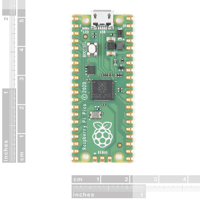
Pico has been designed to use either soldered 0.1" pin-headers (it is one 0.1" pitch wider than a standard 40-pin DIP package) or can be used as a surface mountable "module", as the user IO pins are also castellated. There are SMT pads underneath the USB connector and BOOTSEL button, which allow these signals to be accessed if used as a reflow-soldered SMT module.
التاكات
منتجات مشابه
بورد رازبيري باي 5 حجم 2 كيكا
Raspberry PIIQD 185,000
بورد اي تي تايني 85 مع منفذ تايب سي
IQD 5,500
اردوينو نانو النسخة الرابعة الحديثة
ArduinoIQD 28,000
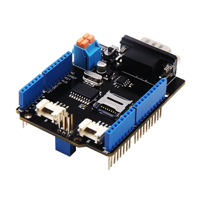
شيلد كان بس النسخة الثانية
IQD 65,000
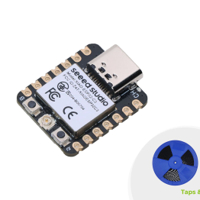
بورد اي اس بي 32 سي 3 من شركة سيد ستوديو
IQD 11,000
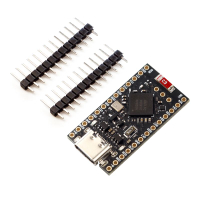
بورد متحكم نوع نانو رقم NRF52840
IQD 7,500
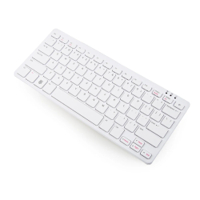
رازبيري باي كيبورد نسخة 500
Raspberry PIIQD 220,000
رازبيري باي 5 بذاكرة 16 كيكابايت
Raspberry PIIQD 850,000
شاشة من النوع الورقي على شكل هات للرازبيري باي مع منفذ اس بي اي للتحكم بها
WaveshareIQD 41,000
بورد تطويري من شركة اي اس بي 32 مع شاشة لمس حجم 2.4 انج
EspressifIQD 24,500
مبرمجة من شركة مايكروجب اصلية لبرمجة متحكم البك بكت 4
IQD 255,000
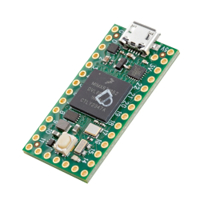
معالج تينيسي النسخة 4 مع امكانية قفل الكود وتشفيره في البورد
IQD 55,000
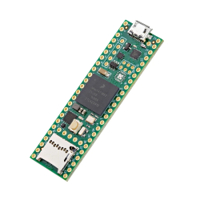
لوحة تطوير تنسي 4.1 هي لوحة ميكروكنترولر بدون ايثرنت
IQD 67,000
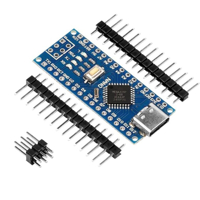
اردوينو نانو تايب سي غير ملحوم
ArduinoIQD 5,500
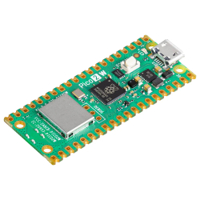
لوحة راسبيري باي بيكو دبليو 2
Raspberry PIIQD 19,500
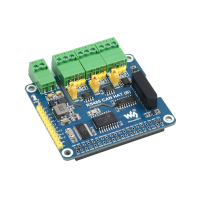
هات للرازبيري باي معزولة وترتبط مع بروتوكول ار اس 485 وبروتوكول الكان
WaveshareIQD 62,000
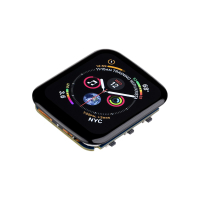
شاشة لمس مع متحكم اي اس بي 32 النسخة الثالثة مربوطين بشكل مدمج
WaveshareIQD 55,000
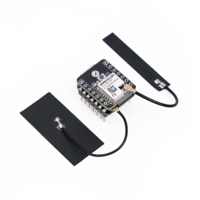
بورد اي اس بي 32 من شركة سيد ستوديو مع ملحق لورا
IQD 28,000
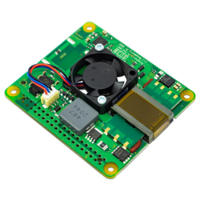
رازبيري باي هات لتوفير الطاقة للرازبيري باي عن طريق الايثرنت
IQD 70,000
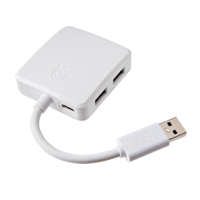
منفذ مخارج ومداخل يو اس بي من للرازبيري باي اصلي
Raspberry PIIQD 33,000
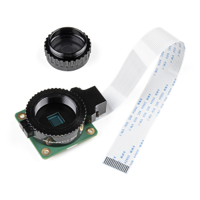
كاميرا رازبيري باي حجم 12 ميكا بكسل احترافية يستخدم معها عدسات
Raspberry PIIQD 125,000
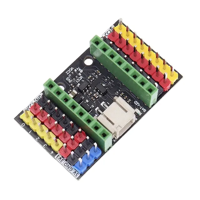
لوحة التوسعة ESP32-C3 SuperMini تعزز لوحة التطوير ESP32-C3 من خلال دعم بطاريات الليثيوم، الشحن عبر U...
IQD 4,500
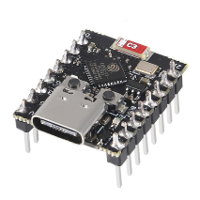
لوحة تطوير ESP32C3 Super Mini هي حل صغير وقوي لإنترنت الأشياء مع دعم WiFi و Bluetooth 5.0 وواجهات مت...
EspressifIQD 5,250
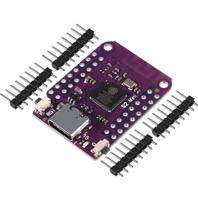
لوحة التطوير S2 Mini V1.0.0 ESP32-S2 هي لوحة مدمجة وعالية الأداء مزودة بذاكرة فلاش 4MB و2MB PSRAM، م...
EspressifIQD 5,250
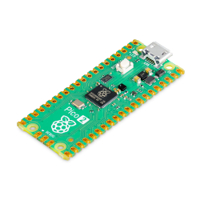
رازبيري باي بيكو 2
Raspberry PIIQD 15,000
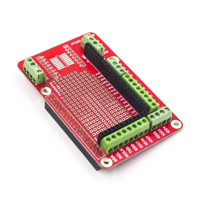
سكروهات للرازبيري باي ذو ال 40 بن
IQD 13,500
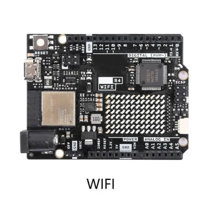
بورد الاردوينو اونو النسخة الرابعة واي فاي الصيني
ArduinoIQD 25,500
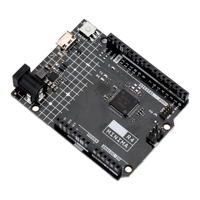
اردوينو اونو النسخة الرابعة مينيما النسخة الصينية
ArduinoIQD 14,000
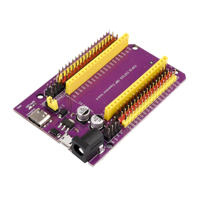
بورد اكسبانشن للاي اي بي 32 مع بنات 38 ومزود بمنفذ تايب سي ومايكرو يو اي بي
IQD 3,000
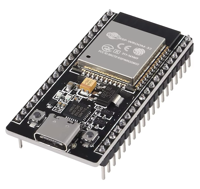
بورد اي اس بي 32 ذو 38 بن مع منفذ تايب سي وايسي مبرمجة نوع سي بي 2102
EspressifIQD 11,000